Be Yourself. Get A Job. That Simple.
What is your greatest weakness?
By Bobby Romadka
One of the trickiest interview questions is: “What’s your greatest weakness?”
It can feel like a trap, but it’s actually an opportunity to show self-awareness, honesty, and growth—qualities employers value highly.
Why Employers Ask This Question
Hiring managers ask about weaknesses to see if you:
Understand your own limitations
Take steps to improve yourself
Can handle constructive feedback
Are willing to grow in your role
It’s less about the weakness itself and more about how you deal with it.
The Formula for Answering
A simple framework to follow: Weakness → Action → Improvement
Weakness: Choose a real weakness, but avoid something essential for the role.
Action: Explain what you’re doing to improve.
Improvement: Highlight progress or results.
Examples
Public Speaking:
“I used to get nervous speaking in front of groups. To improve, I joined a small presentation club and practice regularly. Now, I feel much more confident giving team updates.”
Delegation:
“I sometimes take on too much myself instead of delegating. I’ve started using project management tools and assigning tasks, which helps the team work more efficiently.”
Time Management:
“I used to struggle with prioritizing tasks. I started using a daily planner and breaking projects into smaller steps, which helps me stay organized and meet deadlines.”
Tips for a Strong Answer
Be honest, but strategic
Avoid clichés like “I work too hard”
Focus on improvement, not just the weakness
Keep it concise (around 60 seconds)
Final Thought
“Greatest weakness” isn’t a trap—it’s a chance to show growth and self-awareness. Pick a real weakness, explain how you’re improving, and demonstrate progress. Doing this turns a tough question into a strength in disguise.
Need Help?
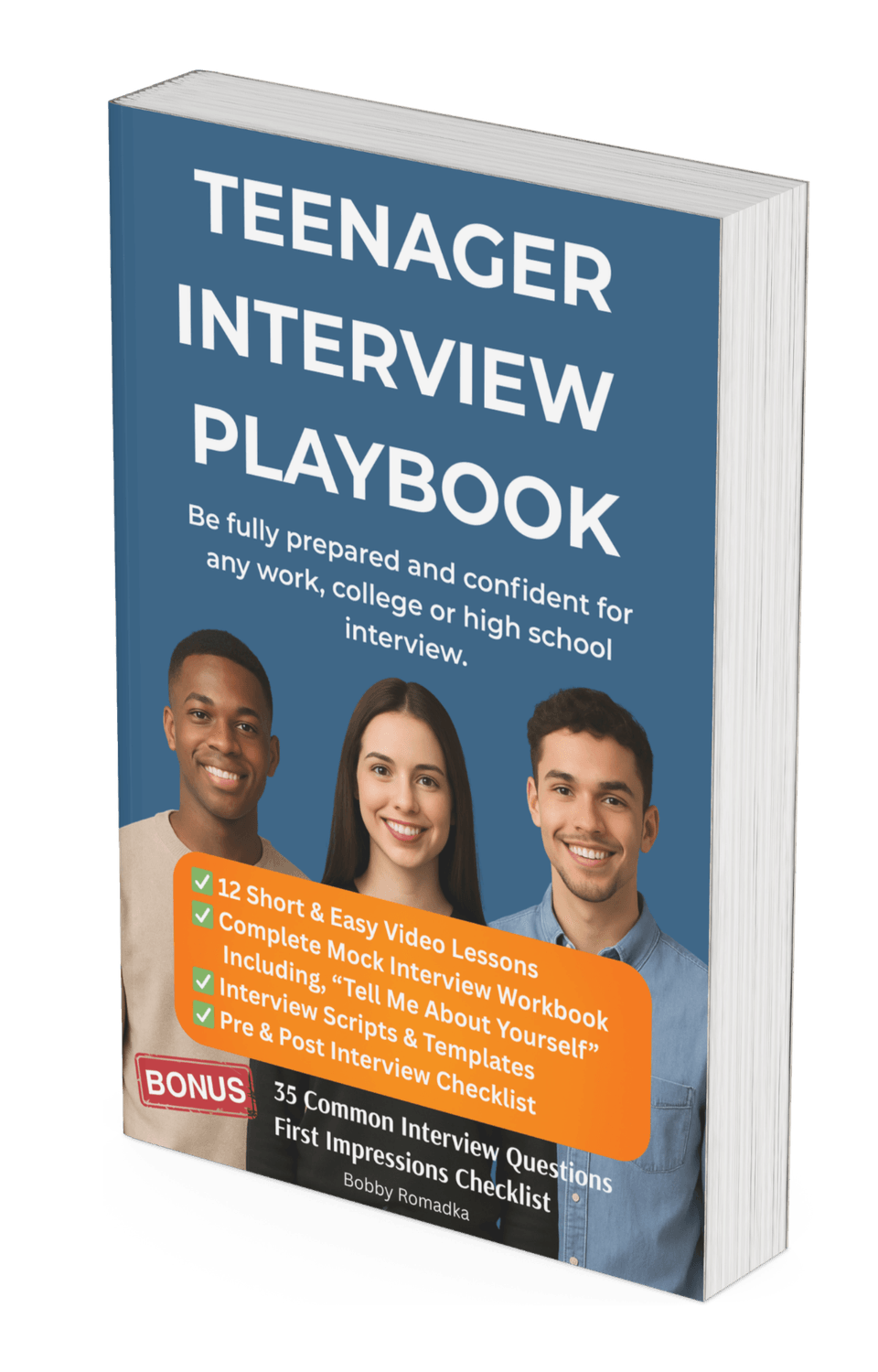
👉 Grab my Interview Prep Crash Course, a fast, powerful training that gives you exactly what you need to speak confidently, sell yourself, and stand out—even if you have an interview tomorrow.
About the author
Bobby Romadka spent years in both sales and in the staffing industry. Sales taught him how to communicate and stand out, while staffing taught him what hiring managers really look for. His interview technique tips went viral on social media and now he focuses on helping the younger generation prepare for the workforce.

Need Additional Help?
Be Yourself. Get A Job.
That Simple.


Stay informed with valuable tips on communication, interview and job searching tips.